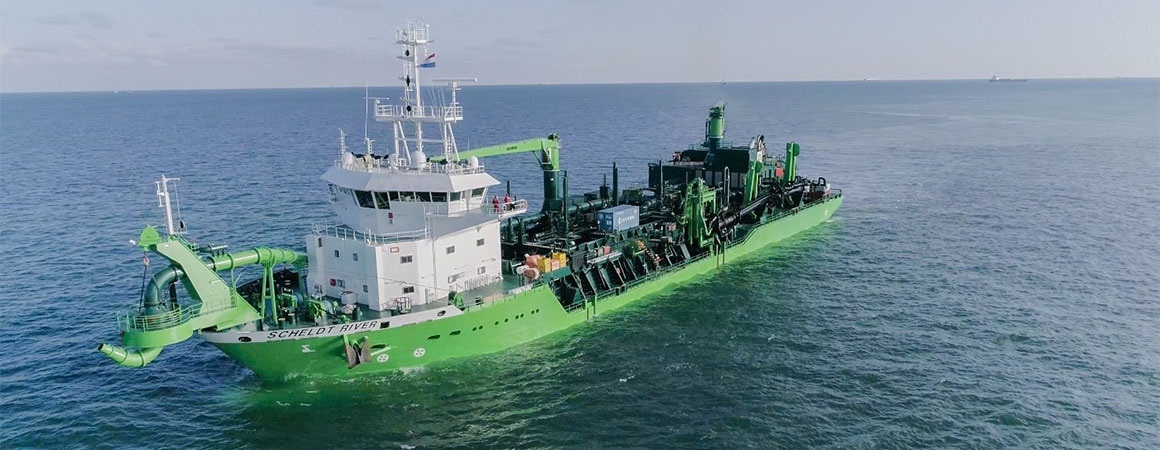
Shipping plays a critical role in the global economy, transporting 90% of world trade. The challenge is that it also accounts for 3% of all greenhouse gas (GHG) emissions. To mitigate the environmental impact of shipping, the International Maritime Organization (IMO) has adopted a strategy, whose goal is to reduce GHG emissions from shipping by 50% by 2050, compared to 2008 levels.
Radical changes are needed to comply with the IMO target. Regulations such as FuelEU Maritime and GHG pricing such as EU ETS are additional factors that force ship owners take action to decarbonise.
FuelEU Maritime, which entered into force in January 2025, sets limits on the greenhouse gas intensity of the energy used on board ships. It aims to increase the share of renewable and low carbon fuels in European waters and is a key driver accelerating the adoption of sustainable marine fuels.
There are three levels on the maritime decarbonisation pathway:

Optimise operations
Improve the vessel’s efficiency with energy-saving technologies and system upgrades. Improve operational efficiency with route and voyage optimisation and energy management on board.

Adopt alternative energy sources
Choose engines compatible with LNG, bio-LNG, methanol, ammonia, hybrid systems, and shore power, or consider a full-electric vessel for short routes.

Clean up emissions
Install scrubbers, WESPs, SCR systems, and explore carbon capture solutions.
Wärtsilä offers integrated solutions across all three steps to keep your fleet competitive, compliant, and profitable.
Fuel choice is the single biggest factor shaping compliance, cost, and competitiveness.
The most challenging part is the question of fuel – the future fuels in shipping and the related global investments in their production and infrastructure.
How to decrease the environmental footprint of shipping? What are the key actions that will keep the shipping industry on course to achieve net-zero by 2050? Here are some answers: this research-backed report on future fuels in the marine industry reveals the key actions to take today.
The energy transition will not be one-size-fits-all. Fuel-flexibility is important because no single fuel will dominate the market, and vessels may need to switch fuels during their lifetime.
The most promising future marine fuels include methanol, ammonia, hydrogen, biofuels, LNG, emerging e-fuels, and blends of fossil and bio/e-fuels. Each has unique benefits and challenges in terms of emissions, cost, and infrastructure readiness. Below, you will find an overview of the most promising fuels and how Wärtsilä supports their adoption.
Biofuels
FAME (fatty acid methyl ester), also known as biodiesel HVO (hydrotreated vegetable oil), also known as renewable diesel
Emissions reduction potential
Challenges
· Quality varies
Wärtsilä compatibility
If your ship has Wärtsilä engines and fuel supply systems, they are compatible with FAME and HVO that meets EN 14214 or EN 15940 standard requirements.
LNG
LNG is a crucial transition fuel for decarbonising maritime shipping
Emissions reduction potential
Safety considerations
Wärtsilä compatibility
Dual-fuel engines from Wärtsilä allow ships to be operated on either conventional liquid marine fuels or LNG. The switch between fuels can be made seamlessly during operation without loss of power or speed. Various methane slip reduction solutions are available both for retrofits and newbuilds.
Ammonia
Emissions reduction potential
Challenges
Wärtsilä compatibility
Methanol
Emissions reduction potential
Challenges
Wärtsilä compatibility
Hydrogen
Hydrogen is a zero-carbon fuel.
Emissions reduction potential
Challenges
Wärtsilä compatibility
Ammonia as a marine fuel
Want all the essentials in one place? Download your quick guide to ammonia as a marine fuel.
Ammonia is an attractive option because it does not have to be stored under compression or at very low temperatures. Its energy density is another positive factor. But it is also toxic and highly corrosive, which makes it challenging to handle, especially for passenger vessels. The current ammonia supply is fossil based, so ammonia would have to be produced in an environmentally sustainable way in the future.
Wärtsilä has several years’ experience of designing cargo handling systems capable of handling ammonia for use on LPG carriers.
Demo2000 project: The collaborative Demo2000 project with Wärtsilä, Knutsen OAS Shipping AS, Repsol, Equinor, and the Norwegian Sustainable Energy Catapult Centre designed, constructed, and commissioned a full-scale environment for ammonia combustion, including storage, supply, and safety system – and successfully demonstrated that it works.
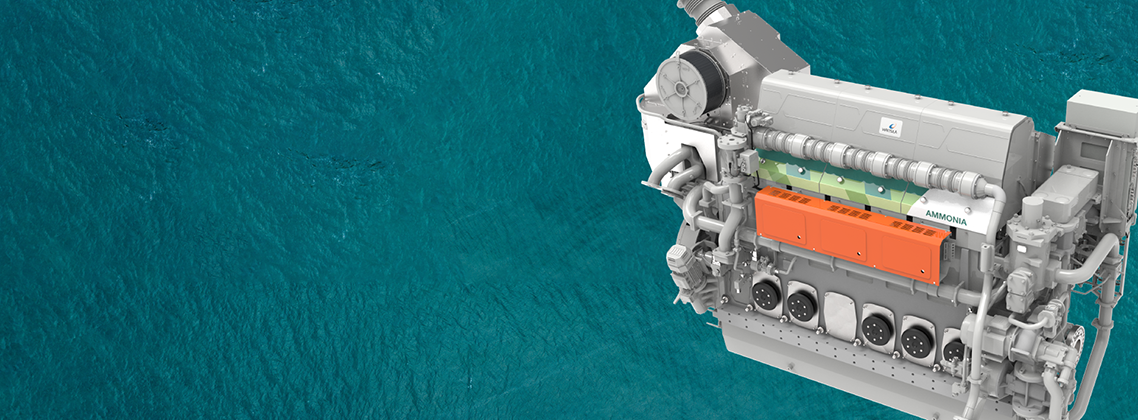
Wärtsilä has extensive testing experience in ammonia engines, for example in the scope of the Demo2000 project. In 2025, Wärtsilä 25 Ammonia engine received its first type approvals from classification societies.
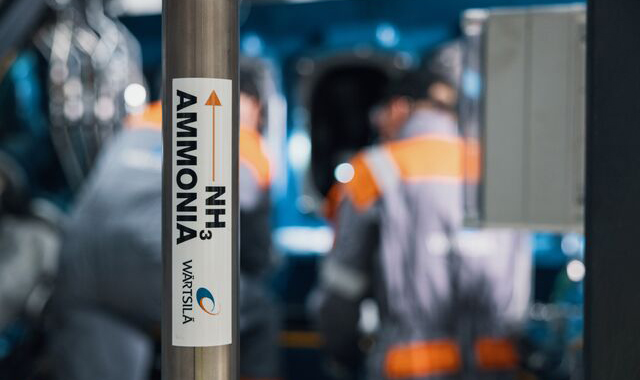
Frequently asked questions about ammonia
Biofuels at a glance
Want all the key facts in one place? Download your quick guide to biodiesel as a marine fuel.
Biofuels are a practical alternative for reducing emissions in shipping. They can be produced from renewable sources and used in existing infrastructure, making them a cost-effective option for near-term decarbonisation.
Wärtsilä has been testing biofuels since the 1990s and continues to refine advanced combustion techniques to further improve fuel flexibility.
You will find guidance for the use of FAME and FAME blends in each engine’s product guide, available to download on the engine page. For a comprehensive list of engines, visit the Engines and generating sets page.
Hydrogen as a marine fuel
Hydrogen at a glance
Hydrogen is often discussed as a future fuel for shipping, but its practical adoption faces major hurdles. Therefore, Wärtsilä considers the market outlook in land-based applications to be stronger than marine-based applications.
Learn more: This article discusses the potential of hydrogen as fuel for ships.
Wärtsilä’s hydrogen expertise in maritime
Wärtsilä’s dual-fuel engines and spark-ignited gas engines can already run on a fuel mix comprising between 15 and 25%vol hydrogen. This is another demonstration of our commitment to fuel flexibility.
LNG at a glance
LNG has a key role as a transition fuel and the first step towards decarbonising the maritime industry. LNG offers significant greenhouse gas reduction potential: 5-21% reduction of greenhouse gas emissions compared to heavy fuel oil.
LNG as marine fuel solution requires only existing infrastructure, which minimises the investment needed. Bio-LNG also has the big advantage that it can be produced using many kinds of sustainable feedstocks, from manure via sewage residue to forest residue and many other types of waste.
Wärtsilä offers advanced dual-fuel engines and retrofit solutions for LNG adoption. Dual-fuel engines allow ships to be operated on either conventional liquid marine fuels (MGO, HFO, Light Fuel Oil (LFO) or liquid bio fuel) or LNG. The switch between fuels can be made seamlessly during operation without loss of power or speed.
Fuel-flexibility enables compliance with emission regulations in controlled areas, while giving operators the possibility to choose the fuel according to cost and availability.
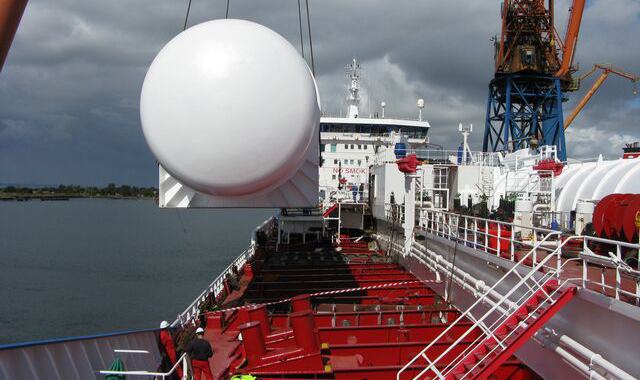
Fuel conversions: Conventional engines are often feasible to convert into dual-fuel engines. They will then be able to use more than one fuel type, including LNG.
Whether a vessel can be converted to operate on LNG depends mainly on the space required by the LNG tanks and additional equipment required. In most cases, the most economical option is to convert the existing engines of a vessel, but installation of new dual fuel engines is in some cases a feasible option as well.
A complete vessel conversion includes the following elements:
Learn more about fuel conversions for 4-stroke engines: Wärtsilä Marine LNG Conversion
Methane slip reduction: how can methane slip be minimised?
While LNG reduces emissions, methane leakage during production and combustion impacts its GHG footprint. Wärtsilä has already cut methane slip by 90% over 30 years.
For newbuilds, Wärtsilä offers modern dual-fuel engines that achieve methane slip below the FuelEU Maritime regulation of 3.1% of fuel use. The introduction of NextDF technology for the Wärtsilä 31DF, Wärtsilä 25DF and Wärtsilä 46TS-DF engines allows operators to further reduce methane emissions.
For existing vessels, a methane slip reduction upgrade is a quick and easy way to cut methane slip by up to 65% depending on the engine type and load.
What does LNG have to offer to ship owners and what should they take into account when considering it as an option? Learn the answers from an insightful article! LNG as fuel for ships: expert answers to 17 important questions.
Discover four great reasons why bio-LNG is a good choice as a bridge fuel to move the maritime industry towards net-zero emissions in the future.
Are you looking for solutions to reduce your methane slip? Discover seven helpful and unbiased facts that can bring results – fast.
Frequently asked questions about LNG
See how Wärtsilä has helped shipowners adopt LNG and improve efficiency in real-world projects.
Methanol at a glance
Want all the key facts in one place? Download your quick guide to methanol as a marine fuel.
Methanol is emerging as a key alternative fuel for shipping thanks to its scalability and compatibility with existing systems. It offers a practical pathway to meet IMO decarbonisation targets.
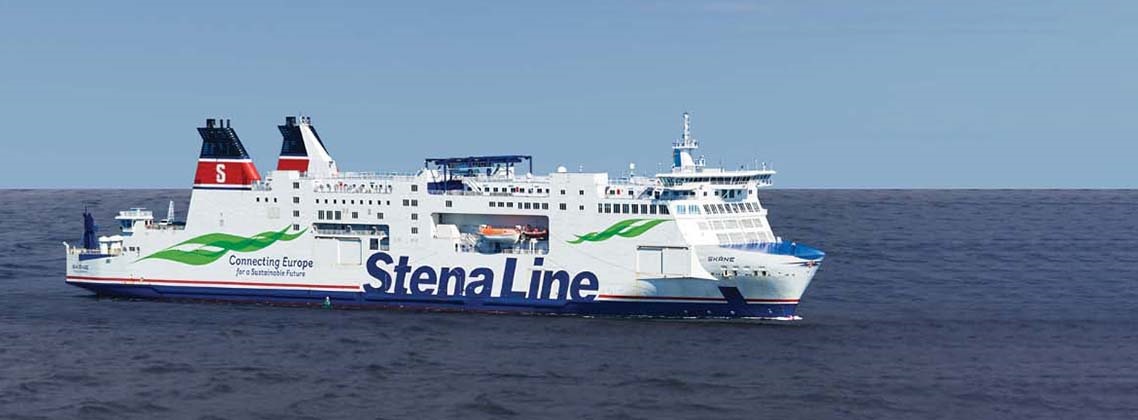
Wärtsilä is among the few marine engine manufacturers with proven experience in methanol engines. For example, our methanol-fuelled engines have powered the Stena Line ferry Stena Germanica since 2015.
At the time of their launch in 2022, the Wärtsilä 32 Methanol engine and MethanolPac were one of the first commercially available solutions for using methanol.
Explore the portfolio of Wärtsilä methanol engines for marine applications.
See how leading businesses are adopting methanol for their operations.
The future of marine fuels is uncertain—no single fuel has emerged as the clear winner. Each alternative comes with unique pros and cons, meaning every shipping segment must map its own transition path.
Wärtsilä is investing in all major future fuels and developing flexible technologies to help shipowners stay competitive and compliant. Drawing on decades of experience in engine design and fuel systems, we offer fuel-flexible solutions that enable vessels built today to adapt to tomorrow’s fuels.
Fuel flexibility and the ability to convert for fuels is crucial if you want your operations to continue uninterrupted. Your best choice is a set-up that does not depend on the availability of a single fuel type. At the same time, you will want to ensure the environmental performance of your vessel or fleet.
The requirement for flexibility applies to newbuild vessels and existing assets alike. IMO has set stringent targets to reduce greenhouse gas emissions. Much of the reduction must come from vessels already in service.
Fuel conversions and advisory services
Converting an engine to run on alternative fuels can be a cost-effective way to decarbonise. Wärtsilä offers a variety of fuel conversion solutions for both 4-stroke and 2-stroke engines.
We can help you find the best way to adopt alternative fuels for your vessel fleet. Complete this form and a Wärtsilä expert will get in touch with you to start the discussion.
Watch one of these webinars to learn more about future fuels.
These handpicked articles will further build your knowledge of sustainable, future fuels in the shipping industry.
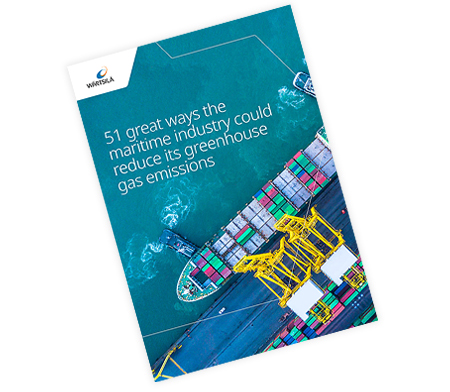
Adopting new sustainable fuels is a great way for the marine industry to cut harmful emissions. It is not the only way! You can find all of 51 great ways the maritime industry could cut its greenhouse gas emissions in a fascinating eBook!
The maritime energy transition is complex—but you don’t have to navigate it alone. Wärtsilä offers solutions across all three steps of decarbonisation:
Wärtsilä has decades of experience in engine design, fuel systems, and lifecycle services. We can help you choose the right pathway for compliance, efficiency, and long-term competitiveness.